Creating Inclusive Spaces in Travel Communities
In a world increasingly driven by connections and shared experiences, creating inclusive spaces in travel communities is essential. By fostering environments where everyone feels welcome, travel organizations can enrich group trips and offline meetups.
Understanding the Importance of Inclusion
According to research, inclusive communities not only promote diversity but also enhance the overall experience for travelers. Experts recommend that travel communities actively engage in practices that welcome diverse backgrounds, preferences, and abilities.
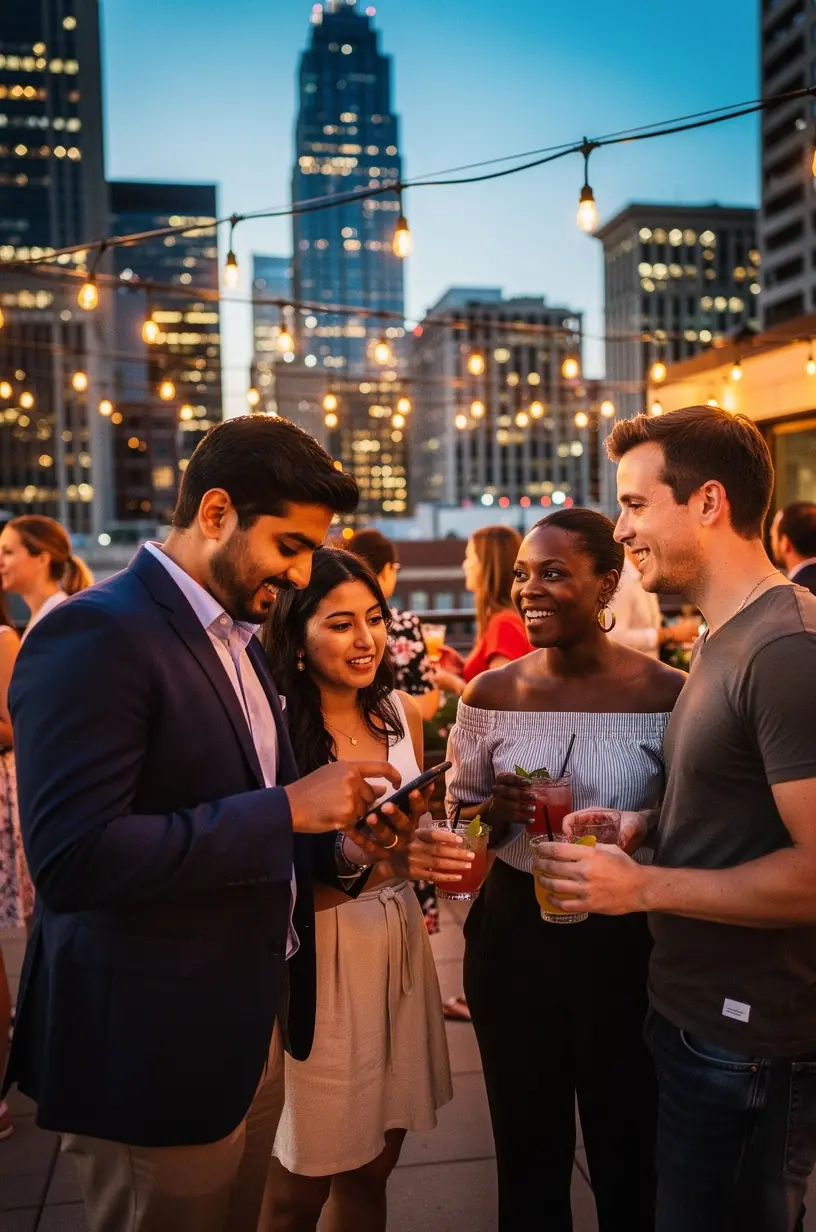
"Inclusion is not just a nice-to-have; it is a necessity for enriching travel experiences and broadening perspectives."
Strategies for Creating Inclusive Travel Communities
- Establish Clear Guidelines: Many communities find it beneficial to create a code of conduct that outlines acceptable behavior and emphasizes respect for diversity.
- Encourage Open Communication: In most cases, providing platforms for feedback can help identify barriers to inclusion. This might involve regular surveys or open forums where community members feel safe sharing their experiences.
- Facilitate Diverse Activities: Offering a variety of trip options that cater to different interests and abilities can help ensure that all members feel represented. Research shows that when people see their preferences catered to, they are more likely to participate actively.
Overcoming Challenges in Inclusivity
Creating inclusive spaces often involves challenges, including the need for ongoing education about cultural sensitivity and accessibility. It typically takes time to foster an environment where everyone feels valued. Communities should commit to continuous improvement and learning.
Considerations for Accessibility
Travelers with disabilities often encounter barriers that can hinder their enjoyment of group trips. Acknowledging this, it is vital for travel communities to consider physical accessibility in their planning. According to studies, accessible travel options can significantly enhance the experience for all members, not just those with disabilities.
Conclusion
By prioritizing inclusivity in travel communities, organizations can create enriching environments that promote shared experiences. It is essential to remain adaptable, recognizing that inclusion is an ongoing process that may require adjustments based on community feedback. Establishing clear guidelines, encouraging open communication, and addressing accessibility are key steps that can help foster a welcoming environment for everyone involved.